

The Dummies Guide: Treatment of Crohn's Disease
- Blake Brinks
- Apr 29, 2025
- 3 min read

The science around Crohn’s has come a long way over the past few decades. Right now is truly the best time to have Crohn’s or any other Inflammatory Bowel Disease. The amount of knowledge we have now is a testament to all of the hard work, science, and research in this field. It gives relief for patients and hope that we will have more treatments in the future or maybe even a cure.
When I was diagnosed with Crohn’s, I had no idea how to even pronounce the medications I was taking, let alone how they worked. To this day, I still am not smart enough to understand the intricacies of each medication. I might even call myself a dummy. Here is the Ultimate Dummy’s Guide to Crohn’s Treatments.
Anti-Inflammatory Medication

Common Examples
Corticosteroids (prednisone, budesonide)
Oral 5-aminosalicylates (Salazopyrin, Mezavant, Pentasa, Salofalk, and Teva)
Why Is It Used?
Anti-Inflammatory meds are used for…well, you could probably guess…reducing inflammation. This is important for Crohn’s patients because getting rid of inflammation will help relieve painful symptoms and allow the body to heal. This is typically the first step in treatment for Crohn’s because it isn’t invasive, it is low risk and can often times alleviate inflammation or other symptoms.
Immunosupressors

Common Examples
Azathioprine, Methotrexate, Mercaptapurine
Why Is It Used?
Immunosuppressants (thank you spell check) are also used to fight and reduce inflammation, however, this class of medication does it a little differently. Immunosuppressants reduce inflammation by suppressing the immune system. Crohn’s disease is essentially chronic inflammation in the digestive tract, often triggered by the immune system misfiring. Suppressing the immune system will hopefully lessen the amount that the immune system will attack the digestive tract.
Immunosuppressants are often times used after anti-inflammatory medication or along side them. It is important to get regular blood work done as the risk for infection and other complications are higher.
Biologics

Common Examples
Remicade, Humira, Entyvio, Cimzia, Stelara, Skyrizi
Why Is It Used?
Biologics, like the Immunosuppressants and Anti-Inflammatory medication are used to treat inflammation, but Biologics attack specific proteins and pathways that cause inflammation. Attacking the proteins addresses the problem at the root. Biologics will help calm down an overactive immune system and calm down the disease in the long term.
Biologics are typically taken by infusions or injections and are monitored with tests to make sure antibodies aren’t developed.
Nutrition Therapy

Common Examples
Enteral Nutrition Therapy, Low FODMAP diet.
Why Is It Used?
Patients will typically start using ENT when the disease is flaring and the body can’t get the proper nutrients that it requires. This sort of therapy requires inserting a feeding tube through the nostril and down the esophagus, or through a “port” surgically inserted in the intestines. A liquid mixture high in nutrients is fed to the patient through the tube. The liquid mixture is much more easily digested by the body, and also causes less inflammation. ENT can be used temporarily or long term depending on each persons needs.
Low FODMAP is a reintroduction diet that helps people discover what foods or types of foods cause inflammation or irritation. After eliminating all of the potential “problem foods” from the diet, foods are slowly reintroduced and symptoms are tracked to identify which foods cause issues.
Surgery
Common Examples
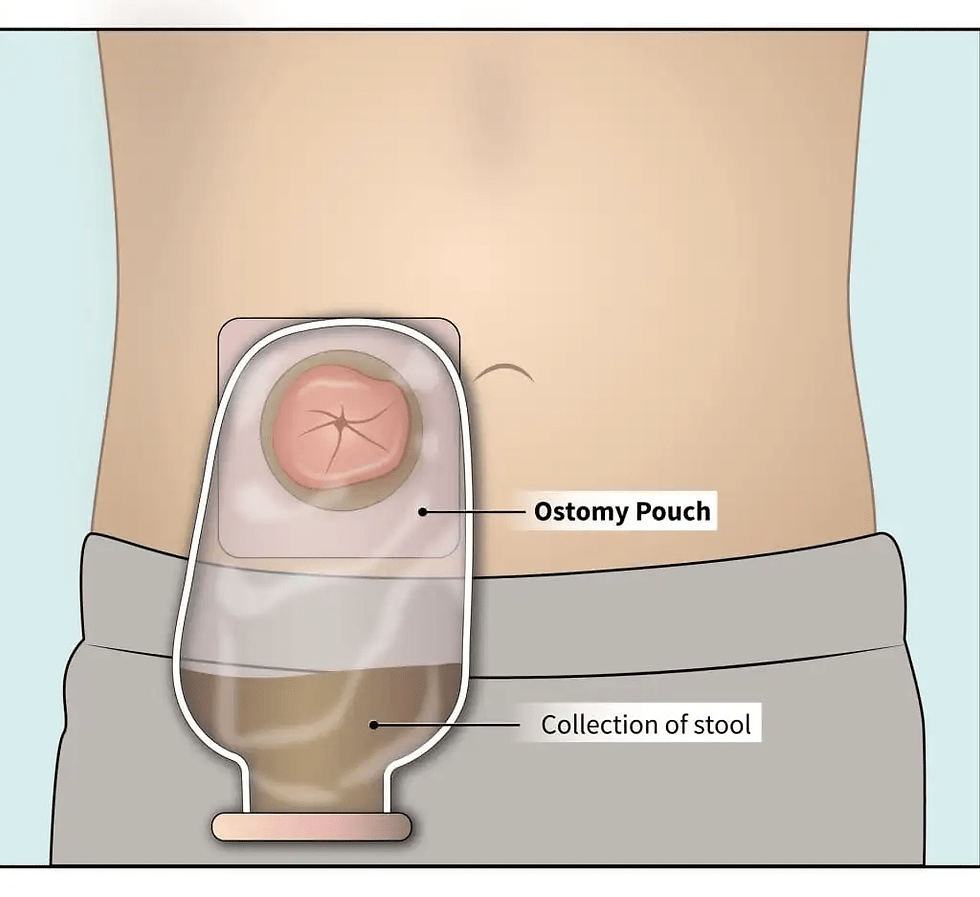
Bowel Resection, Ostomy, Abscess drainage and Fistula Repair
Why Is It Used?
Surgery is always the last step in treatment for Crohn’s and IBD. If surgery isn’t necessary, the other methods are usually attempted first. Crohn’s can be a nasty disease, so sometimes surgery is necessary to fix persistent issues. Here is a quick overview of some common surgeries for Crohn’s.
Bowel resection is removing the diseased part of the digestive tract.
An ostomy is put in when the intestines are particularly diseased and needs to have prolonged rest. Stomas redirects food in the small intestine outside of the body and into a bag.
Abscess drainage is a procedure where an abscess is opened up, drained and removed to relieve pressure, remove infection and help the healing process.
Fistulas are abnormal tracts inside the body that lead to the outside of the body and often times becomes infected. Fistulas often require putting a seton in the tract. Seton’s are long threads that are placed inside the fistula to gradually drain the infection and slowly heal the infection.
Antibiotics

Common Examples
Cipro, Flagyl
Why Is It Used?
Antibiotics are not something that patients want to be on long term, but they are a great treatment for abscesses and fistulas. Cipro and Flagyl work great to eliminate infection in problem areas and allow the body to heal faster.


Comments